ServicesUSDA Loans
USDA Loans in San Marcos
A USDA loan lets you buy with no down payment if the property sits in an eligible area and your family income falls under the program limit. We check both before you shop, so you know whether this home loan fits before you write an offer.
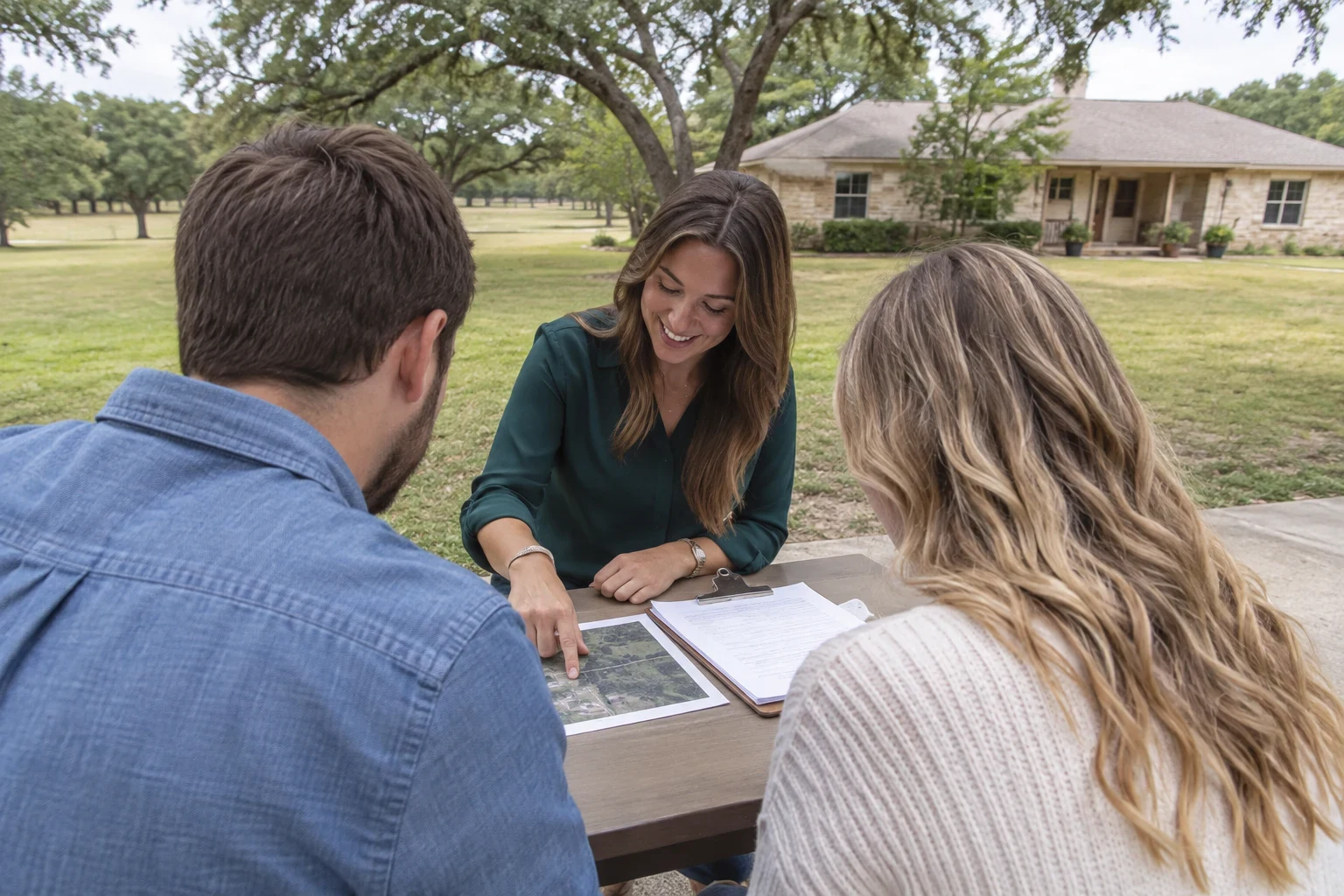
What a USDA loan is and who it fits
The USDA Single Family Housing Guaranteed Loan Program backs home loans made by approved lenders for primary residences in areas USDA classifies as rural. Because the government guarantees part of the loan, the lender can finance up to the full appraised value, which is why there is no required down payment.
Rural on the USDA map is broader than most people expect. Plenty of subdivisions on the edges of growing towns still qualify, while addresses closer to a city center often do not. Eligibility is set by address, not by town name, so we look up the exact property every time.
Two tests decide whether you qualify. The property has to pass the map and the appraisal standards, and the combined income of every adult who will live there has to sit under the limit for the county and family size. If either test fails, we will tell you plainly and walk through FHA loans or conventional loans as alternatives.
What we handle on a USDA loan
Address eligibility check
We run the property address through the USDA eligibility map before you commit to a contract. A parcel can sit just across a boundary line, so we check the specific lot instead of guessing from the neighborhood.
Income limit calculation
USDA counts income from every adult who will live in the property, not only the people on the loan. We total it the way the program does, apply allowed deductions such as dependents and childcare, and compare it to the current county limit.
Credit and debt-ratio review
Loans that pass the automated underwriting system move faster. If yours needs manual underwriting, we explain which ratios or credit items triggered it and what documentation helps.
Guarantee fee and rate breakdown
USDA charges an upfront guarantee fee that is usually rolled into the loan, plus a smaller annual fee paid monthly. We show both on your rate quote so the payment you see is the payment you get.
Property condition and coverage guidance
USDA requires hazard insurance, plus flood coverage if the property sits in a mapped flood zone. If the appraiser flags damage, such as hail on the roof or a water stain on a ceiling, we explain what has to be documented or corrected before closing and how a seller's open claim can affect the timeline. We are not the adjuster, and we will not predict what a claim pays.
Signs a USDA loan may be the right fit
- Savings are thin, income is steady
- You earn enough to carry a mortgage payment but have not built up a down payment. USDA removes that hurdle while still requiring funds for closing costs, unless the seller covers them.
- You are looking outside the city center
- You are open to properties toward Lockhart, Wimberley or other edges of the area. Those are the kinds of locations where eligible addresses tend to show up.
- You plan to live in the property
- USDA only finances a primary residence. If you want a rental or a flip, our hard money loans page covers that work instead.
- Your income sits in the middle
- Moderate incomes fit best. If your family income is over the county limit, a conventional loan with a low down payment is usually the next option we price.
- Credit is fair, not perfect
- USDA does not demand top-tier credit, though a clean recent payment history matters a great deal to the underwriter.
How a USDA loan moves from first call to closing
- 1
Phone conversation and pre-qualification
We ask about income, debts, family size and the areas you are considering. You leave the call knowing whether USDA is realistic and roughly what payment to target.
- 2
Documents and pre-approval
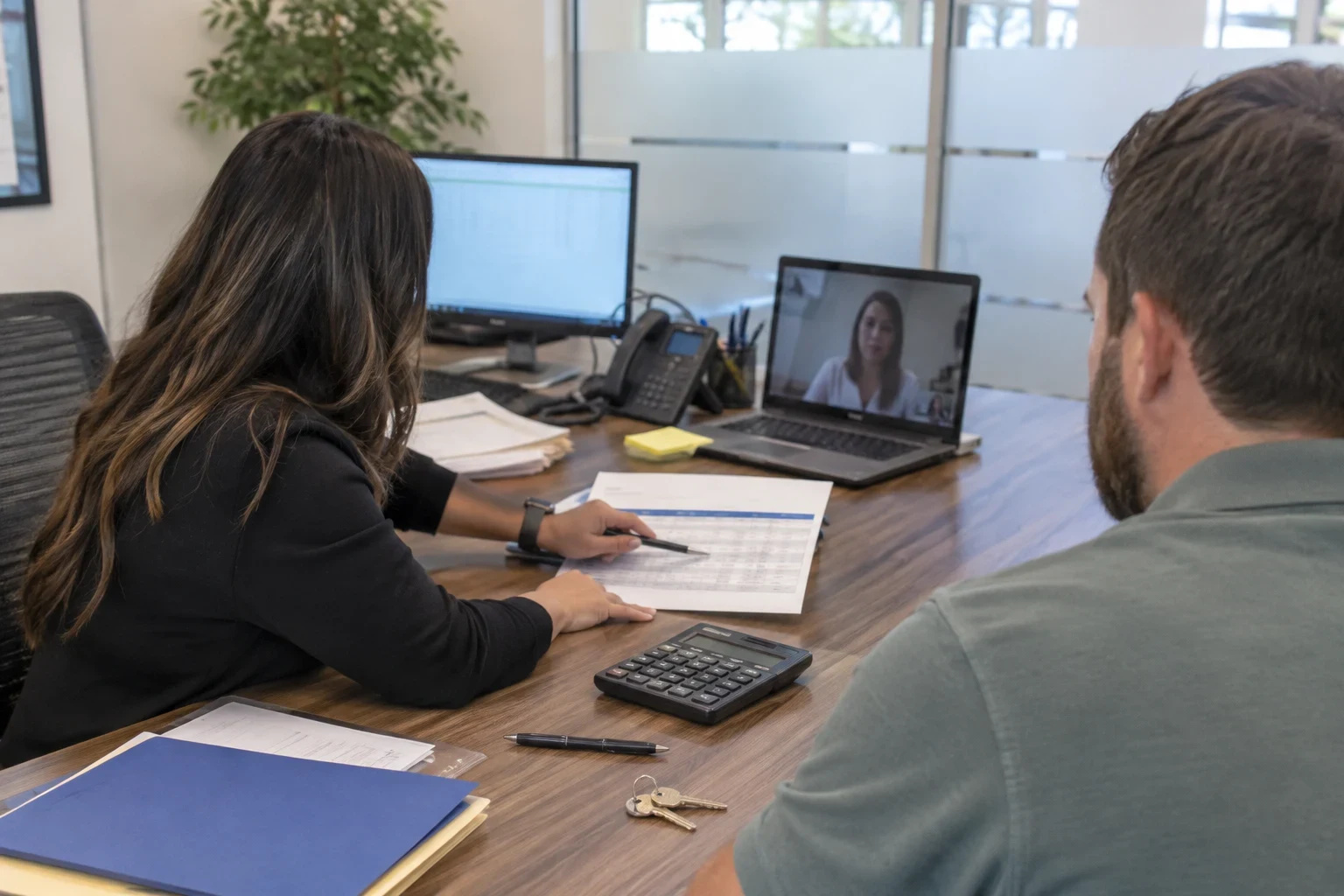
You gather pay stubs, W-2s or tax returns, and bank statements, and we walk through them with you at our office or by video. We run them through underwriting so your pre-approval letter reflects verified numbers, which sellers take more seriously.
- 3
Contract, appraisal and coverage
Once you are under contract, the appraiser checks value and condition against USDA standards: a sound roof, working systems, safe access. At the same time you bind a hazard policy, and we confirm whether the flood map requires separate flood coverage.
- 4
Lender underwriting and USDA review
Our underwriter approves the file, then it goes to USDA for its own guarantee review. That second step is why USDA closings often take a bit longer than conventional ones, and we build it into your contract timeline.
- 5
Closing
We send your Closing Disclosure ahead of the signing date so you can compare it to your loan estimate line by line before you sit down at the title company.
What moves the cost of a USDA loan
USDA rates are set by the lender, not the government, so they vary with your file and the market. The guarantee fees are fixed by program rules, but almost everything around them can shift. Here is what changes your numbers.
- Credit score and debt ratios
- Stronger credit and lower debt-to-income ratios usually earn a better rate. A file that passes automated underwriting also tends to price more cleanly.
- Guarantee fees
- The upfront fee is typically financed into the balance, which raises the loan amount slightly. The annual fee is spread across monthly payments for the life of the loan.
- Closing costs and seller help
- Title, appraisal, and prepaid taxes and premiums add up. Sellers can contribute toward these costs, and in some cases the appraised value allows them to be financed.
- Hazard and flood premiums
- Your hazard policy is part of monthly escrow. A property in a flood zone adds a flood policy, and Central Texas hail history can push premiums higher on older roofs, so we price the full payment early.
- Property condition
- If the appraisal requires items to be corrected before closing, that can add time or seller negotiation. Knowing the condition early keeps the closing date intact.
USDA loan questions we hear often
- Is any property near San Marcos eligible for USDA?
- Some are and some are not. Eligibility depends on the exact address on the USDA map, and boundaries do not always follow city limits. Give us the address on the phone and we will check it before you make an offer.
- Does USDA really mean no down payment?
- Yes, qualified borrowers can finance up to the appraised value. You still have closing costs, prepaid taxes and escrow items, and an earnest money deposit, though sellers can cover some closing costs by agreement.
- Why does my roommate's or parent's income count?
- USDA tests the income of every adult who will live in the property, even if they are not on the loan. Only borrowers' income is used to qualify for the payment, but everyone's counts against the program limit.
- What happens if the appraisal finds storm damage?
- The appraiser may make the loan subject to the damage being corrected and reinspected. If the seller has an insurance claim open, we explain how that affects timing, but the claim itself is between the seller and their carrier. We help you understand the paperwork without promising an outcome.
- Can I refinance a USDA loan later?
- Yes. USDA has its own streamlined refinance for existing USDA borrowers, and you can also refinance into a conventional loan once you have built equity. We compare both when the time comes.
Find out if your address and income qualify
Have the property address and a rough idea of your family's income ready. We will check eligibility, run your numbers and tell you where you stand.